

Why Your Car is Consuming Fuel Faster Than Normal article content
"If you don't have at least ₦100,000 for fuel every week, you shouldn't own a car in 2026."
While that sounds ridiculous, ask a few Nigerians living in Lagos why their cars consume so much fuel you’re probably getting responses like, "Na Lagos traffic," "Fuel is just bad these days" or "My car is old."
For many Nigerian motorists, those reasons count, however, high fuel consumption is often your car's way of telling you that something isn't working as it should.
If you've been asking, "Why is my car consuming too much fuel?" or "How can I save fuel while driving?" here are 10 common reasons your car is burning more fuel than it should, along with solutions to fix each one.
1. Dirty Air Filter
If your car is consuming excessive fuel, the air filter is one of the first things to check. Your engine needs a steady flow of clean air to burn fuel efficiently but when the air filter becomes clogged with dust, dirt, leaves, and other debris, the normal air that goes into the engine is restricted.
When this happens, your engine compensates by injecting more fuel to maintain performance. The result is poor fuel economy, reduced engine efficiency, and more trips to the filling station.
Signs of a Bad or Dirty Air Filter
Weak or sluggish acceleration
Black smoke from the exhaust
Increased fuel consumption
Rough engine performance
To Fix This: Replace your air filter according to your vehicle manufacturer's recommended service interval or during an oil change to improve fuel efficiency.
2. Low Tyre Pressure
Tyres accounts for about 20% of a vehicle’s fuel consumption so driving with low-pressure tyres is almost the same as running with 5 bags of cement. While dealing with fuel consumption, factors to look out for include tyre pressure, tyre resistance, wheel alignment, size, and weight.
When your tyres don't have enough air, they create more rolling resistance against the road, meaning your engine has to do more work to keep your car moving.
To Fix This: Check your tyre pressure at least every two weeks and before long trips. Keeping your tyres properly inflated will improve fuel economy and tyre lifespan.
3. Heavy Traffic and Constant Idling
One of the biggest causes of high fuel consumption is spending too much time sitting in traffic with the engine running and if you live in Lagos, this is a major contributor to fuel consumption because your engine continues to burn fuel even when your car is barely moving.
Ways to Manage Your Fuel on the Road:
Avoid peak traffic hours whenever possible.
Switch off the engine if you'll be parked for several minutes.
Use navigation apps to find quicker routes and avoid congestion.
4. Aggressive Driving and Speeding
Why are you always driving like you’re sitting on hot coal? If you mistake Lagos roads for a F1 race, don't be surprised when your repair bills start looking like an F1 team's budget. Aggressive driving habits like sudden acceleration, speeding, and hard braking cause your engine to burn more fuel than necessary.
To Fix This: Drive smoothly, accelerate gradually, maintain a steady speed, and avoid unnecessary hard braking.
5. Low Quality Fuel
As a driver and vehicle owner in Lagos, you might’ve noticed the quality of fuel in every station is different. Some burn faster than normal and others burn out much faster. If your car seems to be using more fuel than usual without any obvious reason, the fuel you're buying could be part of the problem.
Ways to Identy a-Low Quality Fuel Include:
Check Engine light coming on.
Slow acceleration
Rough idling
Strange smell
Difficulty starting
Poor fuel economy
To Fix This: Buy fuel from good and standard filling stations.
6. Faulty Spark Plugs
When Spark plugs are worn out or damaged, it leads an incomplete combustion. As a result, your vehicle has to work harder, burns more fuel than necessary, and the engine loses its performance.
Common Signs of Faulty or Bad Spark Plugs
Rough idling
Slow acceleration
Engine misfires
Poor fuel economy
Difficulty starting the engine
To Fix This: Replace spark plugs showing signs of wear at recommended intervals.
7. Carrying Too Much Weight.
A lot of things already add to your vehicle’s weight such as the engine, battery, tyres, and the extra tyre in the trunk, however, an overlofd on weight makes your vehicle consume more fuel.
The heavier your vehicle, the more fuel it needs to move so less weight means less work and less fuel consumption.
8. Driving with the AC on.
Your car's air conditioner is powered by the engine, so whenever the AC is running, the engine has to do more work to keep both the car running and the cabin cool.
To fix this: Use the AC only when necessary, choose a moderate temperature instead of the coldest setting, and keep your AC system properly serviced for better efficiency.
9. Faulty Oxygen Sensor.
A faulty oxygen sensor is one of the most common but overlooked causes of high fuel consumption. Your oxygen sensor helps the engine determine the correct amount of fuel to inject during combustion. When the sensor fails, the engine often injects far more fuel than necessary leading to increased fuel consumption.
To Fix This: Replace a faulty oxygen sensor to help restore proper fuel efficiency and improve engine performance.
10. Poor Engine Maintenance
Regular engine maintenance is so import is because it keeps your car running efficiently and extends the life of your engine.
With engine use over time, old engine oil becomes thicker and less effective at lubricating engine components and this creates more friction inside the engine, forcing it to work harder and to burn more fuel while trying to delir a good performance.
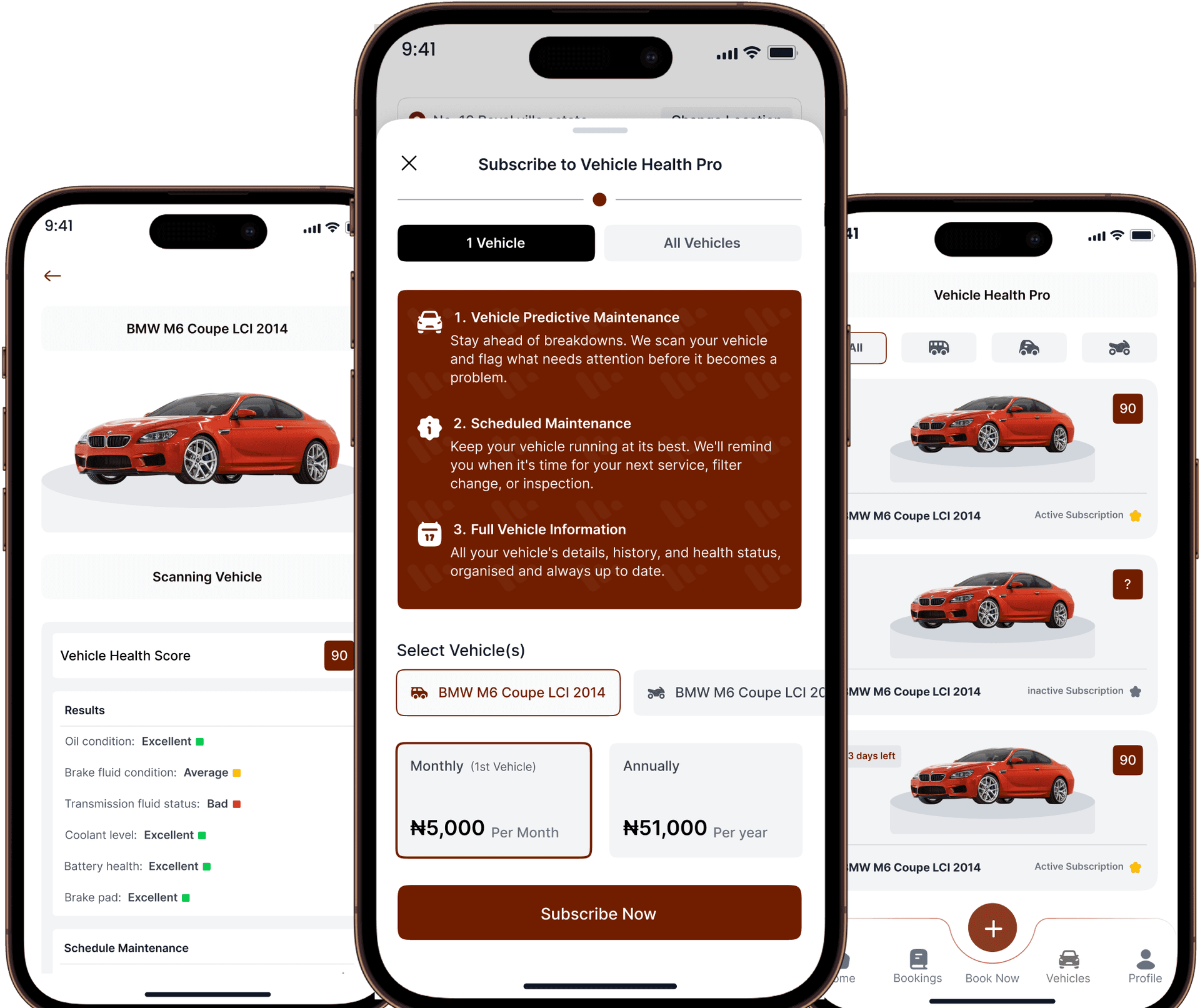
Routine maintenance identifies worn parts, fluid leaks, dirty filters, and minor issues before a major breakdown which is why WHIPCARE makes it easier to keep track of your service schedule and receive timely maintenance reminders.
Frequently Asked Questions(FAQ)
1. Does sitting in traffic waste fuel?
Yes. Your engine continues burning fuel while idling even when your vehicle isn’t moving.
2. Can old engine oil increase fuel consumption?
Yes. Old engine oil increases friction inside the engine which can easily consume more fuel than normal.
3. Why does my car use more fuel with the AC on?
The air conditioning compressor places extra load on the engine, causing an increase in fuel consumption.
4. Is high fuel consumption a sign of engine problems?
If fuel consumption suddenly increases without changing your driving habits, have your vehicle inspected.